Leaders Eat Last
Summary: The verbatim LinkedIn post behind the “Leaders Eat Last” memory aid, published 2026-07-14.
Sources: Sources/LinkedIn Posts.md (“Leaders Eat Last,” published 2026-07-14), verbatim
Last updated: 2026-07-14
Published July 14, 2026.
As a young officer, I stood plenty of watches where nothing happened. Easy nights, on paper. What I did not understand yet was how many of those easy nights were easy because someone else was not sleeping.
Before any evolution that mattered, I was there, checking readiness, walking spaces. During it, I tried to disappear, let the junior officers and senior enlisted run it, and stayed just present enough to catch a real problem. Afterward, I was back, debriefing, coaching, making sure the lesson landed.
We called this having a light hand on the rudder. It sounds like instinct, but it is not. It is what thoughtful voyage planning looks like once the ship is underway. You cannot make a small, early correction unless you already know your track, your hazards, and your margin. The light hand belongs to the leader who planned rigorously enough, and drilled the team thoroughly enough, that the mission as briefed and the surprise nobody briefed are both already accounted for. A well-led crew rarely notices the hand itself. They notice fewer surprises, less chaos. They notice it fastest when it is missing.
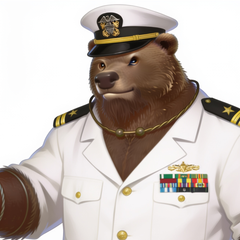
Placeholder — swap in a real image when one's chosen.
That is the practical core of servant leadership. The leader is not at the top of anything, the leader is the one doing the planning the rest of the team should not have to track while they do the actual work. That work happens mostly before and after, which is why the leader often puts in more hours, not fewer.
When the watch goes well, the credit belongs to the people who stood it. When it goes badly, the accounting starts with me. A team only hands you their honest mistakes if they believe you will not use those mistakes against them later. Share credit, hoard blame, and use honest failures as teaching, not ammunition.
The opposite is easy to spot: a leader at the top of a pyramid, everyone below arranged to serve that leader’s needs. Talent does not develop there. The people doing the work never get room to fail safely, so they never get room to grow, and when something goes wrong the blame has nowhere to go but down.
I think about this constantly now, watching organizations adopt AI at speed. Somebody has to do the voyage planning while the builders build, well enough that a light hand is even possible. That is not supervision. It is service.
Leaders eat last because leaders are the ones who made sure there was a meal at all.