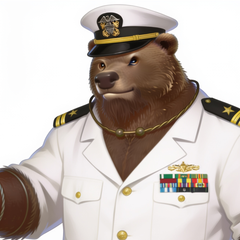
Voyage Planning
Summary: The verbatim LinkedIn post behind the wiki concept of the same name — reproduced word for word as it was published.
Sources: LinkedIn Posts.md (“Voyage Planning,” posted 2025-10-28, Part 2 of “When I was in the Navy”), verbatim
Last updated: 2026-07-11
Originally posted October 28, 2025.
(Part 2 of Leadership Lessons from When I was in the Navy)
Ships go to sea. It’s why we have ships. The process of moving from one harbor to another is both simple and complicated. It appears simple because we have prepared our voyage plan thoroughly—the course and speed for every leg have been calculated with care. But, as any seasoned mariner or technologist knows, true complexity often lies beneath the surface.
In the Navy, the most difficult and dangerous part of any voyage is leaving and entering the harbor. Shallow water, confused traffic, unpredictable winds, and shifting currents all raise the stakes. That’s why the most experienced hands are on deck, and the captain never leaves the bridge until the ship has reached open water.
This dynamic is remarkably similar to every project in AI, data science, and analytics. At the start of a major AI initiative, the team must navigate a crowded landscape of competing priorities (like harbor traffic), environmental context (the winds and currents), and unforeseen technical or ethical hazards. If a project is to proceed safely, expert supervision and readiness to adapt are essential at the outset—just as expert mariners are critical during harbor maneuvers.
The journey itself—building, training, and deploying machine learning models—requires ongoing vigilance. Just as ships at sea must be ready for storms, engineering issues and other ships, AI projects must incorporate contingency planning for shifting data quality, regulatory changes, and technology disruptions. Project leaders must anticipate these inevitabilities and adapt quickly when they arise.
Placeholder — swap in a real image when one's chosen.
But there’s another critical stage: completing the project and landing it safely. In the Navy, the approach to harbor can be more hazardous than the open ocean, and so it is in AI—rolling out a new model into production or transitioning to an improved business process is a moment when risks can multiply. Competing agendas, shifting company context, and the inertia of established ways all require skilled leadership to navigate.
Leadership in AI must be most present at the start and finish:
- Early on, to set clear direction, plan for contingencies, and ensure all hands are ready for the unknown.
- At the end, when fatigue can set in and the urge to rush grows strong, vigilance is needed to manage competing interests and land the project safely, protecting both the enterprise and the trust it has built.
Great voyages, and great AI projects, ultimately succeed not just because the plan was sound, but because skillful leadership was present—to foresee hazards, adapt to uncertain waters, and ensure the ship and her crew arrived safely, ready for the next mission.